


Payment Gateway Integration
Payment gateway integration is the process of connecting a website or online store to a secure payment service that processes digital transactions. It allows businesses to accept payments through options such as credit cards, debit cards and digital wallets while helping protect sensitive customer information. For Australian businesses, effective payment gateway integration can improve checkout convenience, support online sales, reduce payment friction and create a smoother customer experience.
Introduction
Online payments have become an important part of doing business in Australia. Customers expect to browse products, compare prices and complete purchases without unnecessary delays. Whether a business sells physical products, offers professional services or operates a subscription-based platform, providing a convenient way to accept payments can make a significant difference to the customer experience.
This is where payment gateway integration becomes valuable. It connects a business website with a payment processing service, allowing customers to pay online while the business receives transaction information and payment confirmations.
However, integrating a payment gateway involves more than adding a payment button to a website. Businesses need to consider security, supported payment methods, transaction fees, website compatibility and the overall checkout experience.
In this guide, we explain how payment gateway integration works, which payment methods businesses can offer, how to choose a suitable provider and what to consider before launching an online payment system.
What Is Payment Gateway Integration?
Payment gateway integration is the process of connecting a website, online store or digital application to a payment gateway so customers can make electronic payments.
A payment gateway securely transfers transaction information between the customer, merchant and relevant payment processing systems. Depending on the provider and integration method, it may also support fraud screening, authentication, payment status updates and transaction reporting.
For example, imagine an Australian clothing retailer selling products through an online store. When a customer adds a jacket to their cart and proceeds to checkout, the payment gateway enables them to enter their payment details or select a supported digital wallet. The transaction is then processed, and the website receives confirmation of whether the payment succeeded or failed.
The primary purpose of payment gateway integration is to make online transactions convenient, reliable and secure while helping businesses manage payments efficiently.
It is useful for ecommerce stores, service-based businesses, membership websites, booking platforms and companies that accept recurring payments.
How Does Payment Gateway Integration Work?
Although the checkout process may appear simple to customers, several steps occur behind the scenes. Understanding these steps helps business owners appreciate why a properly configured payment system matters.
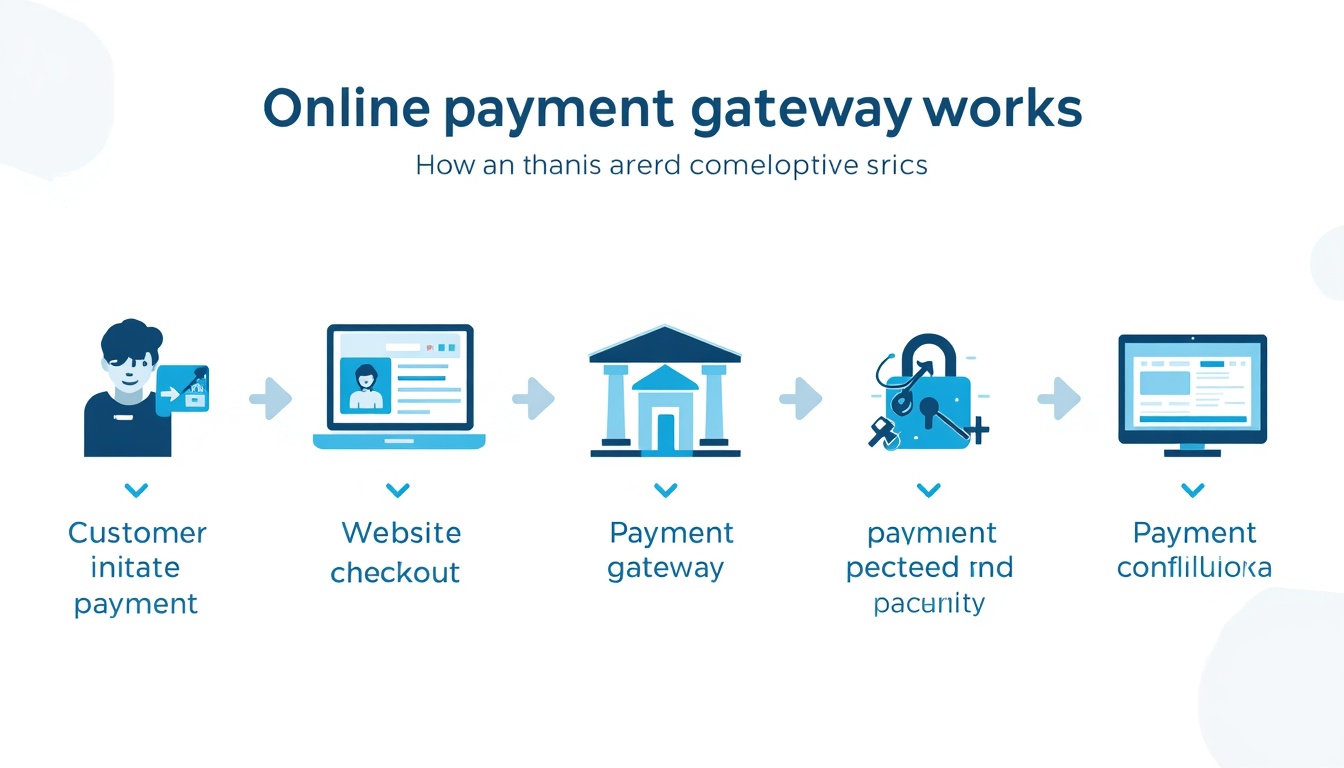
1. The Customer Initiates a Payment
The process begins when a customer selects a product or service and proceeds to checkout. The website displays the order total, available payment options and relevant purchase information.
A well-designed checkout should clearly show shipping costs, applicable taxes, delivery details and the final amount before the customer confirms payment.
2. The Payment Gateway Receives the Information
After the customer selects a payment method, the gateway securely handles the required transaction information. Depending on the integration, customers may enter their details on a hosted payment page or within an embedded checkout experience.
Using a suitable hosted checkout can reduce the amount of sensitive payment information handled directly by the merchant’s website.
3. The Transaction Is Authorised
The payment processor and relevant financial institutions communicate to determine whether the transaction can proceed. Checks may include available funds, card validity, authentication requirements and fraud indicators.
Some transactions require additional verification, such as a bank authentication prompt. Others may be declined or flagged for review.
4. The Website Receives a Payment Status
Once the payment process returns a result, the website updates the order accordingly. A successful transaction may trigger an order confirmation, receipt or booking confirmation.
Businesses should ensure that order status changes are based on reliable server-side confirmation or verified payment notifications, rather than trusting a customer simply reaching a success page.
5. The Funds Are Settled
Authorisation and settlement are different stages. Authorisation confirms that a payment can proceed, while settlement involves transferring the funds through the payment system according to the provider’s arrangements.
The settlement schedule, processing fees, refunds and dispute procedures depend on the selected provider and merchant agreement.
Why Is Payment Gateway Integration Important for Australian Businesses?
An effective online payment system can support business growth by removing unnecessary obstacles between customer interest and purchase completion.
A More Convenient Customer Experience
Customers appreciate having straightforward payment options that suit their preferences. A complicated checkout, limited payment methods or unclear instructions may discourage someone from completing an order.
Integrating a suitable gateway allows businesses to create a more convenient purchase journey, especially when the checkout works smoothly on mobile devices.
Support for Online Sales
A website that displays products or services but cannot accept online payments may require customers to complete transactions manually through phone calls, emails or bank transfers.
Payment gateway integration allows eligible businesses to accept payments directly through their websites. This can reduce manual administration and make it easier to manage orders from different locations.
Better Transaction Management
Many payment platforms provide dashboards containing transaction histories, payment statuses, refunds and settlement information.
These tools can help business owners reconcile transactions, investigate failed payments and understand payment activity without relying entirely on manual records.
Greater Customer Confidence
Customers need to feel comfortable before sharing payment information online. A professional checkout, clear payment instructions, HTTPS protection and transparent policies can help build trust.
Security features should support these trust signals rather than simply relying on a payment logo or security badge.
Room for Business Expansion
A suitable payment gateway can make it easier to introduce new products, expand into additional markets or offer recurring billing.
However, businesses should check whether international cards, foreign currencies and additional payment methods are supported before assuming their chosen provider can accommodate future requirements.
Types of Payment Methods Businesses Can Integrate
The most appropriate payment methods depend on the target audience, business model and provider availability. Australian businesses can consider the following options.
Credit and Debit Cards
Card payments remain a familiar option for many online shoppers. A gateway may support eligible Visa, Mastercard and other card networks, depending on the provider and merchant account.
Businesses should check transaction fees, card acceptance rules, authentication support and refund procedures before choosing a solution.
Digital Wallets
Digital wallets, such as Apple Pay and Google Pay, can allow customers to complete eligible purchases using supported devices and stored payment credentials.
These options may reduce the amount of information customers need to enter manually. Availability depends on the gateway, device, browser, merchant configuration and customer eligibility.
Buy Now, Pay Later Services
Some payment providers support buy now, pay later options through eligible partners. These services may appeal to customers purchasing higher-value products.
Before enabling them, businesses should understand merchant fees, eligibility requirements, refund handling and the conditions customers must meet.
Bank-Based Payment Options
Depending on the provider, businesses may be able to offer bank transfers or other account-based payment methods. These can be useful in particular industries or for certain transaction values.
The checkout should explain any processing delays and make it clear when an order or booking will be confirmed.
Recurring Payments
Subscription businesses, membership websites and service providers may require recurring billing. A suitable payment platform can help manage scheduled charges, payment failures and subscription changes.
Businesses should also provide clear information about billing frequency, renewal terms, cancellation procedures and applicable refund policies.
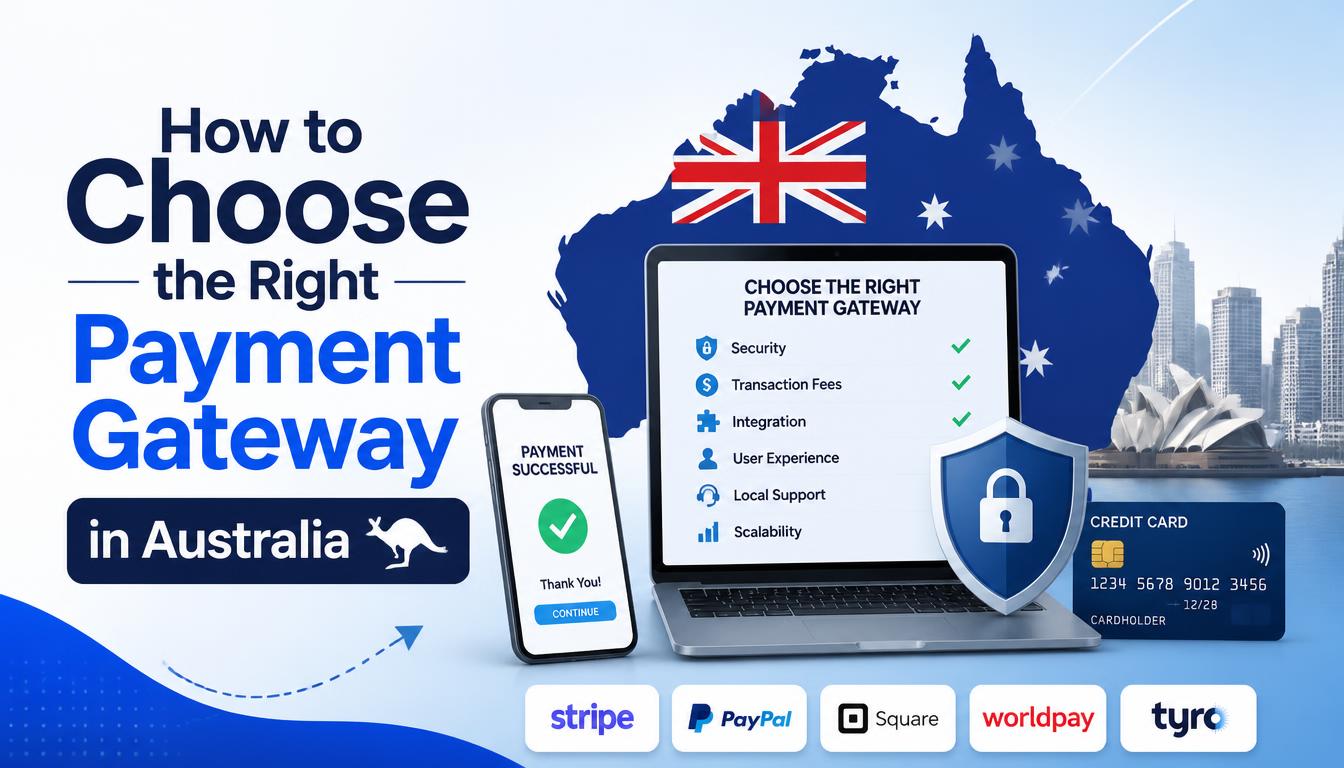
How to Choose the Right Payment Gateway in Australia
Selecting a provider involves more than comparing transaction fees. The right option should suit the business’s technical setup, customers and operational needs.
Compare Transaction Fees and Other Costs
Payment providers may charge transaction fees, fixed charges, monthly fees, currency conversion fees or additional costs for particular services.
Compare the full pricing structure rather than focusing on one advertised rate. For example, a provider with no monthly subscription may still charge transaction fees that become significant as sales increase.
Also review chargeback fees, international payment costs and any conditions attached to refunds.
Check Supported Payment Methods
Choose a provider that supports the methods your customers are likely to use. An online retailer may prioritise card payments and digital wallets, while a membership platform may need recurring billing.
Avoid adding payment methods simply because they are available. Every option should serve a genuine customer need and remain straightforward to manage.
Evaluate Security Features
Look for appropriate encryption, fraud detection, authentication capabilities and secure payment handling. Ask how the provider supports PCI DSS requirements and what responsibilities remain with your business.
A payment gateway can reduce certain security risks, but it does not automatically make the entire website secure or remove every compliance obligation.
Consider Website Compatibility
Your gateway should work with your website platform and existing business systems. Check whether an official plugin, supported extension, API or developer integration is available.
For businesses planning Website Design Australia projects, payment functionality should be considered during the website planning stage rather than added as an afterthought.
Review Reporting and Support
Reliable transaction reports and accessible technical support can make a difference when payments fail or customers report unexpected charges.
Review the provider’s support hours, documentation, dispute-handling process and options for investigating unsuccessful transactions.
Plan for Future Growth
Consider whether the payment solution can accommodate increased transaction volumes, multiple currencies, additional products and more advanced business requirements.
Choosing a suitable provider early may help avoid an expensive migration when the business expands.
The Payment Gateway Integration Process
A structured implementation process can reduce errors and make the launch more predictable.

Step 1: Identify Your Business Requirements
Start by documenting what the payment system needs to do. Consider your products or services, expected transaction volumes, preferred payment methods, refund requirements and whether recurring billing is necessary.
You should also decide whether customers will pay directly on your website or be redirected to a hosted checkout page.
Step 2: Select a Suitable Provider
Compare available gateways against your requirements. Review pricing, settlement arrangements, supported payment methods, integration options, security features and customer support.
Confirm that the provider accepts your business type and supports your intended transaction model.
Step 3: Prepare the Website
The website should have a clear checkout process, accurate product or service information and appropriate policies.
For an ecommerce store, this may include shipping, returns, refunds, privacy and terms of service pages. Service-based businesses may need booking conditions and cancellation policies.
If you are working with a web design sydney project, discussing payment requirements with the developer early can help ensure that the checkout aligns with the website’s structure and customer journey.
Step 4: Connect the Gateway
The technical setup depends on your platform and provider. A website may use an official plugin, an extension or a custom API integration.
The integration may require API credentials, webhook configuration, currency settings and payment status mapping. Secret API keys must be stored securely on the server and must not be exposed in public-facing website code.
For custom implementations, developers should follow the provider’s current documentation and use supported authentication and transaction-handling methods.
Step 5: Configure Orders and Notifications
The website should correctly handle successful, failed, pending and cancelled payments. Order confirmations, receipts and customer notifications must reflect the actual transaction status.
For integrations using webhooks, verify the authenticity of incoming notifications and handle repeated events safely. This helps prevent duplicate order processing or incorrect payment records.
Step 6: Test Before Launch
Test the complete checkout journey in the provider’s test environment before accepting live payments.
Check successful payments, declined transactions, incomplete checkouts, refunds, mobile layouts, order confirmations and payment status updates.
Once testing is complete, move to live mode according to the provider’s instructions and complete a controlled production check.
Step 7: Monitor and Maintain the Integration
After launch, monitor transaction failures, checkout errors, suspicious activity and customer feedback.
Payment providers may change their APIs, plugins or security requirements. Regular checks help identify compatibility issues before they affect a large number of customers.
Businesses may also benefit from ongoing Website Maintenance Services to keep plugins updated, review security settings, monitor performance and address technical problems.
Security Best Practices for Payment Gateway Integration
Payment security should be a priority from the beginning of the project. Customers expect businesses to protect their information, and weak security practices can expose both the business and its customers to unnecessary risks.
Here are several practices worth implementing.

Use HTTPS: Ensure the website uses a valid SSL/TLS certificate to protect information transmitted between the customer’s browser and the website.
Minimise sensitive data storage: Avoid storing card details unless there is a clear business need and the required security controls are in place. Hosted checkout pages and tokenisation can reduce direct exposure to sensitive payment information.
Follow PCI DSS requirements: Businesses that accept card payments should understand the Payment Card Industry Data Security Standard (PCI DSS) and determine which requirements apply to their particular integration.
Protect API credentials: Store secret keys securely, restrict access and rotate credentials when appropriate. Never publish secret keys in front-end JavaScript, public repositories or accessible website files.
Monitor suspicious transactions: Use available fraud detection and authentication tools, review unusual activity and establish a process for responding to potential payment fraud.
Keep software updated: Update the website platform, payment plugins and relevant dependencies. Security patches should be applied promptly, with appropriate testing to reduce the risk of compatibility issues.
Australian businesses should also review their privacy obligations and how customer information is collected, used, stored and shared. The Australian Government’s guide to protecting customer information provides useful guidance.
Common Payment Gateway Integration Mistakes to Avoid
Even a well-designed website can experience payment problems when the integration is poorly planned. Avoiding common mistakes can improve reliability and reduce unnecessary support requests.
Ignoring Mobile Checkout
Many customers shop on smartphones. If payment fields are difficult to complete, buttons are hard to tap or the checkout takes too long to load, customers may abandon their purchases.
Test the complete payment journey across common mobile screen sizes and supported browsers.
Failing to Test Payment Errors
Testing only successful transactions is not enough. The website must also handle declined cards, interrupted sessions, duplicate notifications and network problems appropriately.
Customers should receive clear instructions when a payment fails, without being told an order is confirmed when it is not.
Overlooking Refunds and Disputes
Businesses need a clear process for refunds, cancellations and disputed transactions. Confirm that staff can locate relevant transactions and understand the provider’s procedures.
Make refund timeframes clear to customers, remembering that the time taken for money to appear in an account may depend on the payment provider and financial institution.
Choosing a Provider Based Only on Price
Low transaction fees may appear attractive, but a provider with limited functionality, poor compatibility or unsuitable support arrangements could create additional costs later.
Compare the total cost of ownership, including development, ongoing maintenance and transaction-related charges.
Neglecting Website Maintenance
Payment integrations can stop working correctly after plugin updates, platform changes or modifications to checkout pages. Without ongoing monitoring, businesses may not discover a problem until customers report failed payments.
Routine maintenance and transaction monitoring help keep the payment experience dependable.
How Much Does Payment Gateway Integration Cost in Australia?
There is no single price for payment gateway integration because the total cost depends on the website, provider and required functionality.
A simple integration using an existing ecommerce plugin may require less development work than a custom payment system connected to inventory management, accounting software or a subscription platform.
The main cost factors include:
- Gateway fees: Transaction charges, fixed fees, monthly subscriptions and other provider costs.
- Development costs: Time required to install, configure, customise and test the integration.
- Additional functionality: Features such as recurring billing, multi-currency support, automated invoicing and custom checkout experiences.
- Security and compliance: Work needed to implement appropriate controls and meet relevant requirements.
- Ongoing maintenance: Updates, troubleshooting, monitoring and compatibility checks.
Before approving a project, request a clear breakdown of one-off development costs and recurring expenses. This makes it easier to estimate the total investment and assess whether the solution fits your budget.
Conclusion
Payment gateway integration is an important consideration for businesses that want to accept online payments efficiently and provide a convenient customer experience. The right solution can simplify checkout, support different payment methods and improve transaction management.
However, a successful integration requires careful planning. Businesses should compare providers, evaluate transaction costs, implement suitable security controls and test the complete payment process before launch. Ongoing monitoring is equally important for maintaining compatibility and resolving issues promptly.
For businesses planning a new website or improving an existing online store, Systronic IT Group can be considered as a starting point for exploring website development requirements and digital solutions. The most suitable payment integration will ultimately depend on your business model, website platform and customer needs.
By choosing the right technology and maintaining it properly, Australian businesses can build a more reliable online payment experience that supports long-term growth.
Frequently Asked Questions (FAQs)
1. What is payment gateway integration in simple terms?
Payment gateway integration connects a website to a payment service, allowing customers to pay online using supported payment methods. It helps process transactions, communicate payment results and support secure checkout experiences.
2. Which payment gateway is best for Australian businesses?
The best payment gateway depends on your business model, transaction volume, budget and preferred payment methods. Compare providers such as Stripe and PayPal based on fees, security features, supported integrations, settlement arrangements and customer support before deciding.
3. How long does payment gateway integration take?
A straightforward integration using a supported plugin may take less time than a custom API implementation. The timeline depends on website complexity, provider approval, testing requirements and any additional features, such as subscriptions or accounting integrations.
4. Is payment gateway integration secure?
Payment gateway integration can support secure transactions when implemented correctly. Businesses should use HTTPS, protect API credentials, follow applicable PCI DSS requirements and minimise the storage of sensitive payment information. No integration eliminates every security risk.
5. Can I integrate a payment gateway into an existing website?
Yes. Many payment providers support integration with existing websites through plugins, extensions, hosted checkout pages or APIs. Compatibility depends on your website platform and the provider’s technical requirements.
6. What are the costs of payment gateway integration?
Costs may include transaction fees, monthly charges, development work, custom features and ongoing maintenance. The final amount depends on the selected provider and the complexity of the integration.
7. Does payment gateway integration help increase online sales?
It can help improve the purchasing experience by making payments more convenient and reducing unnecessary checkout friction. However, sales also depend on factors such as product quality, pricing, website performance, customer trust and marketing.
